South Korea’s top scorer in tax accountancy exam admits cheating: what we know and why it matters
South Korea's top scorer in tax accountancy exam admits cheating. Here are the reported facts, what is still unclear and what it means for you.
In this article
South Korea’s top scorer in tax accountancy exam admits cheating, according to the BBC, which reports that the candidate has owned up to breaking the rules. The Guardian’s headline adds that artificial intelligence was involved and that the candidate got only one of 160 questions wrong.
This article sets out what those two outlets have reported so far, and it is clear about what has not yet been confirmed, such as the method, any penalties and whether the result will stand. It then looks at why the case matters for trust in financial qualifications, and how UK readers can check that a tax adviser is properly qualified.
- Reports say the top scorer in a South Korean tax accountancy exam has admitted cheating, reportedly with AI.
- The Guardian’s headline says the candidate got only one of 160 questions wrong.
- Details such as the method, penalties and any annulment should be checked in the full BBC and Guardian reports.
- The case raises questions about exam integrity, but it does not mean qualified advisers in the UK or India are unreliable.
- Before relying on a tax adviser, check their credentials on the official register or professional body.
South Korea's top scorer in tax accountancy exam admits cheating: the key facts
According to the BBC, the top scorer in a South Korea’s top scorer in tax accountancy exam admits cheating case has admitted to cheating. The Guardian’s headline goes further. It says the candidate admitted using AI to cheat, and that they got only one of 160 questions wrong. Its wording is that South Korea’s top scorer in tax accountancy exam admits cheating.
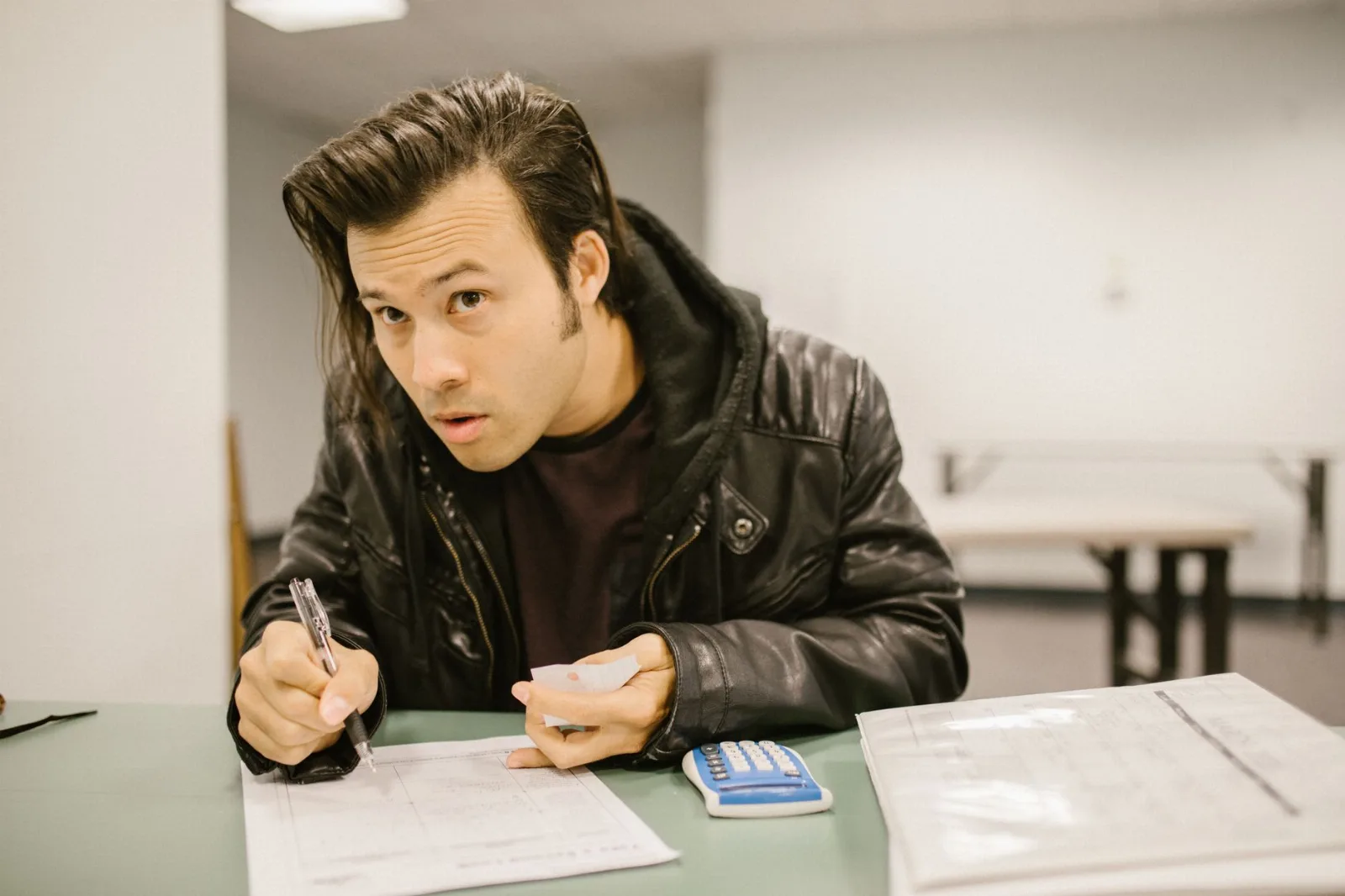
That is about as much as can be confirmed from the material reviewed for this piece. The reports are listed under the BBC News and Guardian technology coverage, and the Guardian article is dated 15 November 2026 in its web address. The Guardian’s headline puts the case in the context of AI cheating.
The exam is described in reports as a tax accountancy exam. The BBC describes it as South Korea’s certified tax accountancy exam and says the Ministry of Employment and Labour and the Human Resources Development Service held an emergency meeting. This article does not name or speculate about the individual. For those details, read the full BBC report and the Guardian article.
What is still unclear about the case
The headlines give us the core of the story that South Korea’s top scorer in tax accountancy exam admits cheating, but not the full picture. According to the BBC, the top scorer has admitted cheating. The Guardian’s headline says AI was involved and that the candidate got only one of 160 questions wrong.
According to the BBC, the candidate said he used a micro-camera to photograph the questions, sent them to an AI tool and checked the answers on his phone. The BBC also reports that the government said those found to have used AI to cheat will have their qualification revoked and be banned from retaking the test for five years. Whether the candidate’s own result has formally been annulled is not stated in the material reviewed. The full BBC and Guardian reports are the place to look for those details.
This is a developing story. Early reports can change as officials respond, so check the original BBC and Guardian articles for updates rather than relying on summaries.
Why exam integrity and AI matter for financial qualifications
Most people cannot easily judge whether tax advice is sound, especially after a South Korea’s top scorer in tax accountancy exam admits cheating story like this one. A professional qualification is a shortcut: it signals that someone has met a recognised standard. If exam results can be gamed, that signal gets weaker, and the people who rely on it are the ones who lose out.

The Guardian places the story in a wider debate about AI and cheating. That framing is fair. AI tools can help people learn, but they can also be misused in assessments, especially where candidates are not closely supervised.
It is worth keeping this in proportion. One reported case, South Korea’s top scorer in tax accountancy exam admits cheating, does not show that qualified advisers in general are unreliable. Nothing in the supplied reports links this case to UK or Indian exams.
Bodies such as ICAEW, ACCA and CIOT set their own exam rules. If you want to know how they handle remote or AI-assisted assessment, check their current policies on their own websites.
What readers should check next
One exam case, such as South Korea’s top scorer in tax accountancy exam admits cheating, does not make your adviser unreliable, but it is a fair prompt to check credentials. The steps below are a calm way to do that, and to keep an eye on the story as it develops.

- 1Ask your adviser which qualifications they hold and how you can confirm them
- 2Check their membership with the professional body, such as CIOT, ICAEW or ACCA, using its own member directory
- 3Find out whether they or their firm are regulated, and by whom
- 4Where the work involves regulated financial advice, look the firm up on the FCA register
- 5Read HMRC and MoneyHelper guidance (hmrc.gov.uk and moneyhelper.org.uk) for background on tax matters
- 6Follow the BBC and Guardian reports for confirmed updates on the case
What suits you depends on your own situation. For personal tax decisions, ask a suitably qualified professional rather than relying on general guidance.
Frequently asked questions
Could this kind of AI cheating happen in UK professional exams?
The reports do not say, and we cannot predict it. Exam bodies such as ICAEW, ACCA and CIOT set their own rules on remote and AI-assisted assessment, and those rules change. Check each body’s website for its current policy.
How can I check my tax adviser is properly qualified?
Ask the adviser which professional body they belong to, such as CIOT, ICAEW or ACCA, then confirm it with that body directly. If the firm gives regulated financial advice, the FCA register shows whether it is authorised. HMRC and MoneyHelper also offer guidance.
Will the exam result be cancelled?
The BBC reports that the government said those found to have used AI to cheat will have their qualification revoked and be banned from retaking the test for five years. It does not say whether the candidate’s own result has formally been annulled. Check the full BBC and Guardian articles, and official announcements, for updates as the case develops.
Sources
- South Korea's top scorer in tax accountancy exam admits cheating (bbc.co.uk)
- 160 questions, only one wrong: top scorer in South Korea tax exam admits AI cheating (theguardian.com)
Looking for more? Browse all Tax guides on Tipsverse.
This article is for general information only. It is not personal financial, tax, insurance, legal or medical advice, and rules, rates and prices change. Check the official source and speak to a qualified professional before you decide.