Inflation warning as energy bills forecast to soar again in January: what UK households should know
Inflation warning as energy bills forecast to soar again in January: what the report says, how it feeds into CPI, and where to check the figures.

In this article
- Inflation warning as energy bills forecast to soar again in January: what has been reported
- How the price cap and wholesale gas prices drive the forecast
- What higher energy bills mean for inflation and interest rates
- What households can do now and where to check the facts
- Frequently asked questions
- Sources
The Inflation warning as energy bills forecast to soar again in January comes from a This is Money and Daily Mail story, which suggests UK heating bills may rise and push inflation higher. The report says EDF forecasts the annual cost of heating a typical home will rise by £443 to £2,166 in January, a 26 per cent rise, with Ofgem due to confirm the cap at the end of the month.
This article explains what has been reported, how the Ofgem price cap and wholesale gas prices drive forecasts like this, and how energy costs feed into inflation and Bank of England decisions. It also covers practical steps for households and where to check the official figures.
- This is Money and the Daily Mail report a warning that UK energy bills are forecast to rise again in January, with inflation pressure to follow.
- The forecast comes from EDF and is not yet confirmed by Ofgem, so check the official figure.
- Energy costs feed into CPI, which can influence Bank of England interest rate decisions.
- The Ofgem price cap sets unit rates, not a total bill, so your cost depends on your usage.
- Check Ofgem, ONS, the Bank of England and MoneyHelper before acting.
Inflation warning as energy bills forecast to soar again in January: what has been reported
According to This is Money and the Daily Mail, the story Inflation warning as energy bills forecast to soar again in January covers energy bills forecast to rise again, adding to inflation pressure. Both outlets carry a story under the headline “Inflation warning as energy bills forecast to soar again in January”. The web address refers to heating bills soaring and inflation surging, which points to higher household energy costs and a climb in the headline rate.
According to the report, EDF forecasts a £443 rise to £2,166 a year for a typical home in January, about 26 per cent. Ofgem is due to confirm the new cap at the end of the month, and it is expected to run until the end of March.
The two pages carry the same Inflation warning as energy bills forecast to soar again in January story, republished by the same publishing group. Treat them as one source, not two separate confirmations. Any figure you see quoted elsewhere should be checked against the original article, Ofgem or the Office for National Statistics (ONS) before you rely on it.
The £443 rise to £2,166 is an EDF forecast, not an Ofgem-confirmed level. The reported figure is EDF’s forecast, so check Ofgem for the official cap before relying on it.
How the price cap and wholesale gas prices drive the forecast
Ofgem’s energy price cap limits the price per unit of gas and electricity, plus the daily standing charge. It does not limit your total bill. If you use more energy, you pay more, even when the cap stays the same. That is why two households on the same cap can see very different bills.
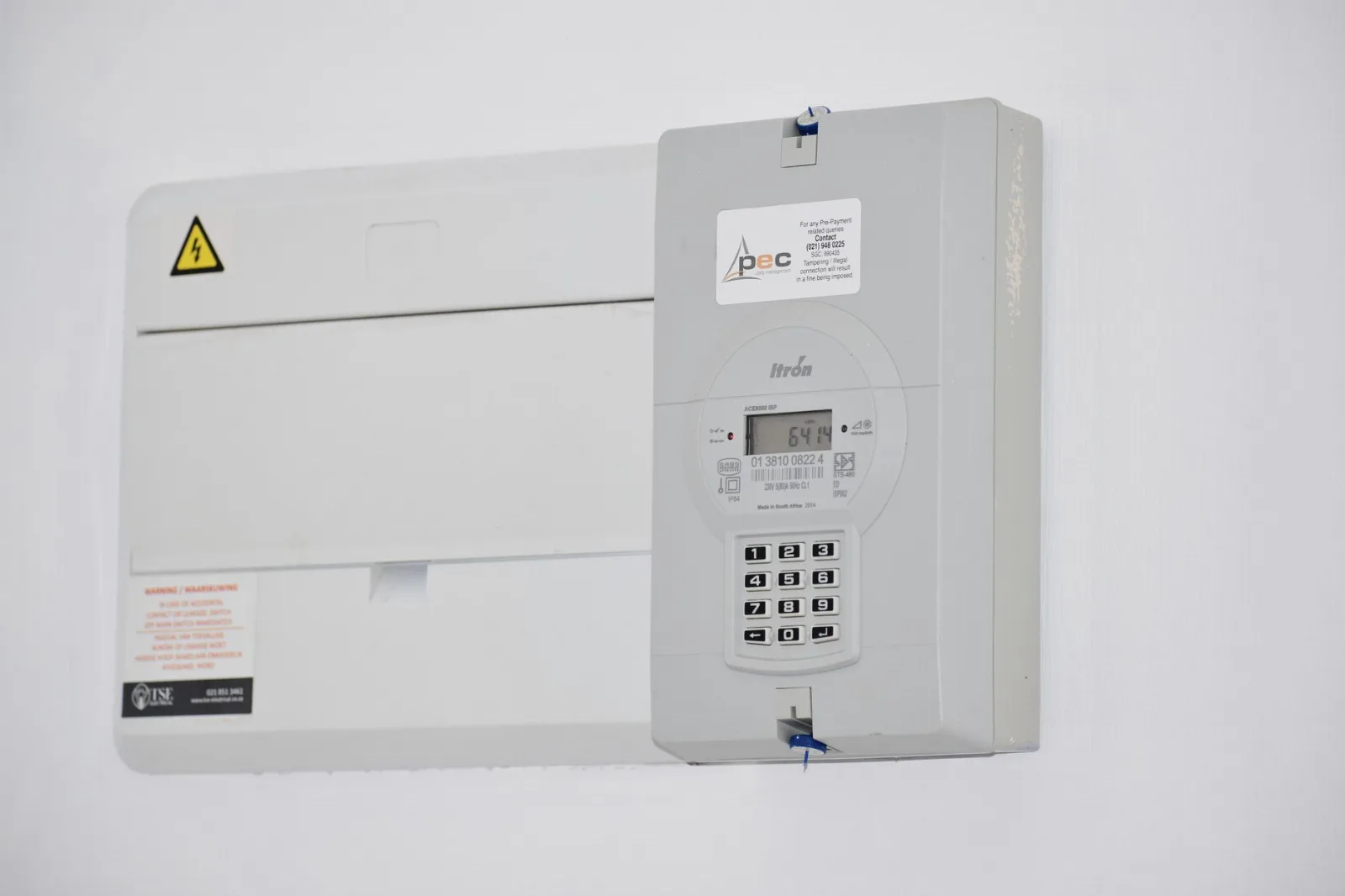
Forecasts about the cap usually rest on wholesale gas market trends. Forecasters study those markets and estimate where the cap may head next. In this report, the forecast comes from EDF.
A forecast is not a decision. Ofgem announces the actual cap, and the figures can differ from earlier predictions if markets move. Check Ofgem’s website for the official level behind the Inflation warning as energy bills forecast to soar again in January.
Fixed tariffs sit outside the cap. Depending on the deal, a fix may be cheaper or dearer than the cap, so it pays to compare.
What higher energy bills mean for inflation and interest rates
Household energy is generally counted in UK inflation measures such as the Consumer Prices Index (CPI). Check the Office for National Statistics (ONS) for how and when it is published. So when the price cap changes, the effect shows up in the official figures.

The report says Bank of England Governor Andrew Bailey warned that inflation pressure is ‘baked in’ because of how the energy price cap works. The report quotes Bank of England Governor Andrew Bailey saying inflation reaching 5 per cent in the first half of next year is ‘quite baked in’. Check the ONS and the original article for the numbers.
The Bank of England weighs inflation when it sets interest rates, and those rates can affect mortgages and savings. Higher energy costs alone do not decide the outcome, though. The Bank also looks at wages, growth and other data, so any impact on rates is uncertain. The Bank of England website explains how it makes these decisions.
What households can do now and where to check the facts
None of this is personal advice, because the right move depends on your tariff, usage and finances. These are the steps households commonly consider when a rise is forecast.

- 1Submit regular meter readings so bills reflect what you actually use
- 2Compare fixed deals, checking exit fees and whether a fix suits your usage
- 3Check whether support applies to you, such as the £100 handout reported for some council tax band A to D households in England
- 4Tell your supplier early if you are struggling to pay
- 5Confirm any forecast figures with Ofgem, the ONS, the Bank of England or MoneyHelper
A fixed deal is not always cheaper than the price cap, so compare carefully. Official guidance is available from Ofgem, the ONS, the Bank of England and MoneyHelper.
Readers in India with UK ties should remember that costs in £ convert to ₹ at exchange rates that keep changing, so check a current rate.
Frequently asked questions
Should I fix my energy tariff now or stay on the price cap?
It depends on your situation, so there is no single answer. A fix gives certainty but may carry exit fees and can end up dearer if prices fall. Compare current deals with the price cap, check the terms, and see Ofgem or MoneyHelper for impartial guidance.
What help is available for households struggling with energy bills?
Start by telling your supplier, as they may offer payment plans or other support. Some households may qualify for support schemes. Rules and eligibility change, so check GOV.UK, Ofgem or MoneyHelper for current details.
What does a UK energy price rise mean for Indian readers with family or money in the UK?
Relatives living in the UK may face higher running costs. If you send money from India, a bill in pounds converts to rupees at an exchange rate that changes daily. Check the live rate with your bank or transfer provider, as the forecast itself is unconfirmed.
Sources
- Inflation warning as energy bills forecast to soar again in January | This is Money (thisismoney.co.uk)
- Inflation warning as energy bills forecast to soar again in January (dailymail.com)
This article is for general information only. It is not personal financial, tax, insurance, legal or medical advice, and rules, rates and prices change. Check the official source and speak to a qualified professional before you decide.