Yellow cold health alerts to come into force in parts of UK amid frosty weather: what they mean
Yellow cold health alerts to come into force in parts of UK amid frosty weather: what they mean, who is at risk and where to check official updates.

In this article
Yellow cold health alerts to come into force in parts of UK amid frosty weather, according to the Evening Standard, meaning the cold could raise demand on healthcare services and put vulnerable people at greater risk. The Guardian, in a report dated 14 November 2026, also describes cold weather health alerts for parts of the UK on Sunday night, alongside a milder weekend.
According to the Evening Standard, yellow cold health alerts to come into force in parts of UK amid frosty weather were issued by UKHSA for the North West, West Midlands and Yorkshire and The Humber, and run from 9pm on Sunday until 9am on Thursday. It explains what a yellow alert means, who is most at risk, what sensible precautions look like, and where to find the latest official updates.
- Yellow cold health alerts are due to come into force in parts of the UK as frosty weather arrives.
- A yellow alert means the cold could increase demand on healthcare services and raise risk for vulnerable people.
- The Standard says the alerts cover the North West, West Midlands and Yorkshire and The Humber, from 9pm Sunday to 9am Thursday; check UKHSA and the Met Office for updates.
- Older people and those with pre-existing health conditions are most at risk; check on them and seek NHS advice if worried.
- Reports mention a milder weekend, but alerts may be updated, so look at the latest official notices.
Yellow cold health alerts to come into force in parts of UK amid frosty weather: the key facts
Yellow cold health alerts are due to come into force in parts of the UK as frosty weather arrives, according to the Evening Standard. The alerts warn that the cold could lead to more people using healthcare services and could put vulnerable people at greater risk to life.
The Standard reports that the alerts were issued by UKHSA for the North West, West Midlands and Yorkshire and The Humber.
The Standard says the alerts are in place from 9pm on Sunday until 9am on Thursday. The Guardian, in a report dated 14 November 2026, says cold weather health alerts were issued for parts of the UK on Sunday night, and its web address points to a milder weekend. The Standard also says further cold health alerts were issued for Sunday night and next week after forecasters said the weekend would be milder, so the picture may change.
Alerts can be updated, so check the UK Health Security Agency and Met Office websites for the current alert before relying on any detail here.
What a yellow cold health alert means
Yellow cold health alerts to come into force in parts of UK amid frosty weather are issued by the UK Health Security Agency (UKHSA). They are early warnings that cold weather could affect people’s health, not forecasts of the weather alone.
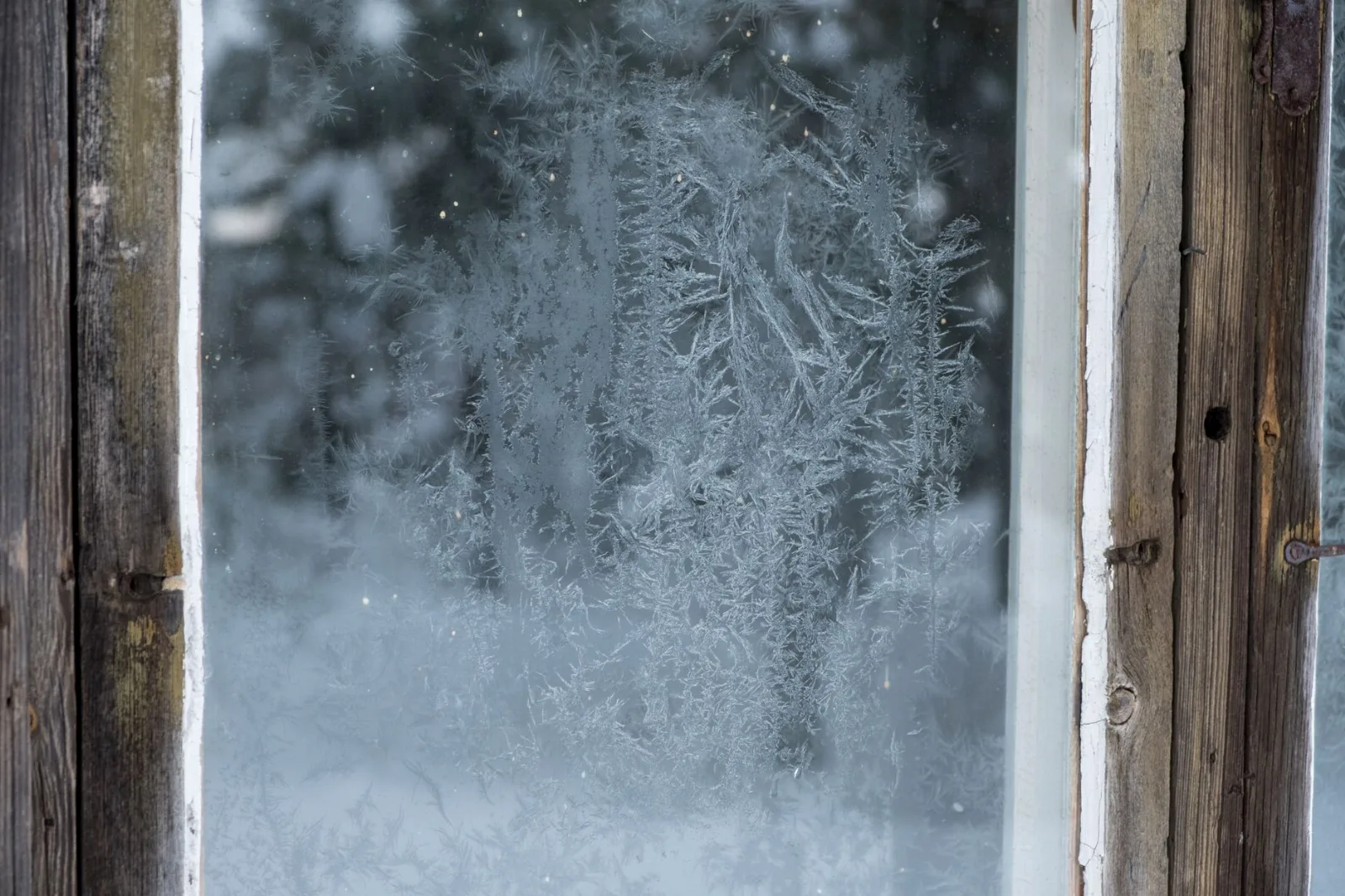
According to the Evening Standard, yellow cold health alerts to come into force in parts of UK amid frosty weather mean conditions could lead to more use of healthcare services and a greater risk to life for vulnerable people. In practice, it signals that people who are already at risk, such as those with existing health problems, may be hit hardest.
Check UKHSA for what each alert level means.
A yellow cold health alert to come into force in parts of UK amid frosty weather is a warning aimed at health services, care providers and the public. It is not a personal medical diagnosis, and it does not say that any one person will become ill. If you are worried about your own health, the NHS is the place to ask.
Who is most at risk in frosty weather
Cold weather tends to affect some people more than others. UKHSA says people aged 65 and over and those with pre-existing health conditions are more vulnerable. That is why the alerts focus on those at risk, rather than on the wider public.

Checking on elderly neighbours and relatives can help. A short call or visit is a simple way to see whether they are warm, eating well and coping. UKHSA advises heating the rooms you use most if possible and dressing warmly, though the right level of warmth depends on a person’s health and circumstances.
If you or someone you know feels unwell, contact the NHS or a GP, and use emergency services in an emergency. This is general information, not medical advice, so ask a health professional if you are unsure what suits you.
What to watch next and where to check updates
Yellow cold health alerts to come into force in parts of UK amid frosty weather can change quickly, especially as one report points to a milder weekend and another mentions alerts for Sunday night. Check the UK Health Security Agency (UKHSA) and Met Office websites for the latest regions and times, as the reports reviewed did not confirm them.

Help with heating costs, such as a Cold Weather Payment or Winter Fuel Payment, depends on eligibility. Check the rules on gov.uk or with Age UK before assuming you qualify.
It is also worth reading your home and travel insurance terms. Cover for frozen pipes or icy roads varies between policies, so ask your insurer if anything is unclear.
Frequently asked questions
What is the difference between a yellow and an amber cold health alert?
A yellow alert signals that cold weather may affect health, especially for people already at risk. Check the UKHSA and Met Office sites for the current alert level and what it means.
Can I get help with heating bills in cold weather?
Possibly. Support such as Cold Weather Payment or Winter Fuel Payment depends on eligibility, so check the rules on gov.uk. Charities such as Age UK may also offer advice, and it is worth asking your energy supplier what help it has.
What temperature should I keep my home at if I am older or unwell?
There is no single figure that suits everyone, and none was given in the reports we reviewed. UKHSA advises heating the rooms you use most if possible. If you have a health condition, ask your GP or the NHS what is right for you.
Sources
- Yellow cold health alerts to come into force in parts of UK amid frosty weather (standard.co.uk)
- Cold weather health alerts issued for parts of UK on Sunday night (theguardian.com)
Looking for more? Browse all Health guides on Tipsverse.
This article is for general information only. It is not personal financial, tax, insurance, legal or medical advice, and rules, rates and prices change. Check the official source and speak to a qualified professional before you decide.