Who keeps crashing China’s sharemarket? What the latest rout shows and what it means for Australian investors
Who keeps crashing China’s sharemarket? See what's behind the rout, who is blamed, how Beijing is responding and what it may mean for AU investors.
In this article
The answer to “Who keeps crashing China’s sharemarket?” is that nobody has been proven responsible, though one big hedge fund is pointing at the country’s insurers. Shiva Capital Group’s founder, Hong Liang, says insurers loaded up on tech stocks near the July peak and then cut positions in late September. That is a claim, and an opinion column by Shuli Ren says he “might just have a point”. China is now scrambling to contain the rout only two years after the last rescue. This article explains the evidence, how Beijing is responding, and what it could mean for Australians with indirect China exposure. It is general information, not personal advice.
- China is again trying to contain a sharemarket rout, only two years after the 2024 rescue.
- October was the worst month in more than a decade, and the CSI 300 is in a bear market from its late-June peak.
- A big hedge fund blames insurers, but this is a claim and an opinion column’s argument, not a confirmed finding.
- Margin financing and northbound Stock Connect turnover have fallen, so leveraged traders and foreign money look less likely culprits.
- Australians may have indirect exposure via super, ETFs and ASX miners; this is general information, not advice.
What happened: China's sharemarket rout, two years after the last rescue
China is scrambling to contain a sharemarket rout only two years after the last rescue in 2024, according to a column by Shuli Ren published in The Sydney Morning Herald and The Age on 10 November 2026. Beijing is reportedly dusting off the same support playbook it used then.

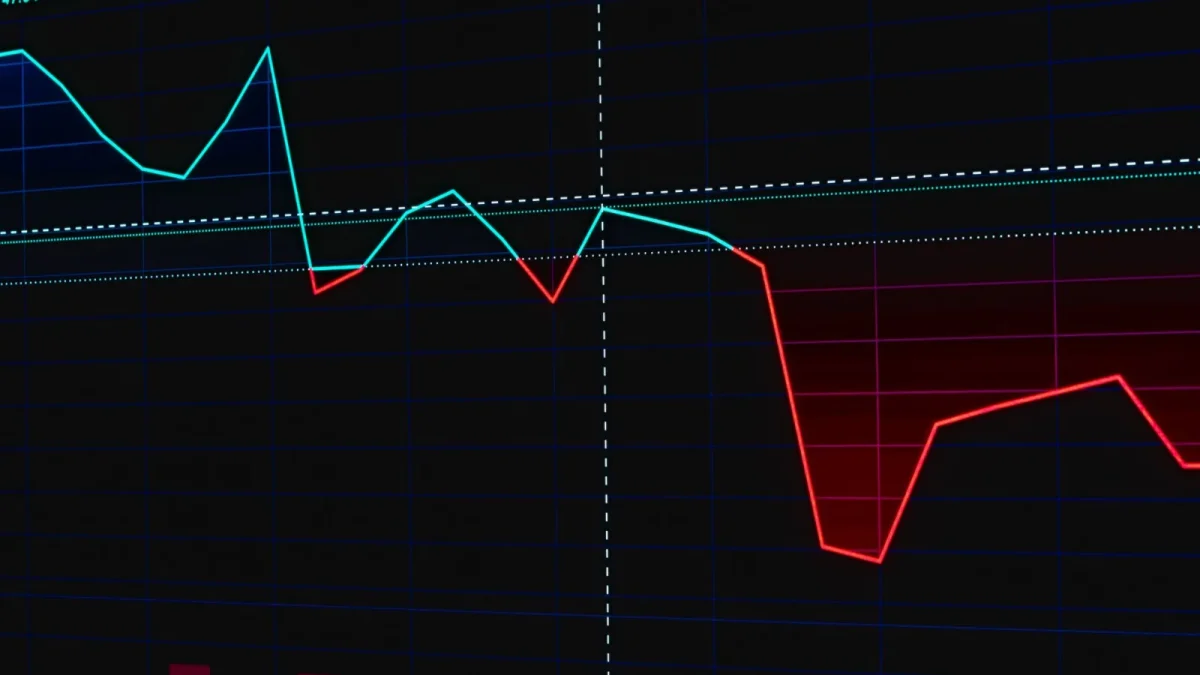
The damage has been sizeable, which is why readers keep asking “Who keeps crashing China’s sharemarket?” The column says October was China’s worst month for shares in more than a decade. The blue-chip CSI 300 Index has slid into a bear market from its late-June peak. The semiconductor-heavy Star 50 index has plunged as much as 4 per cent, although the column’s wording does not make clear over what period.
The answer to “Who keeps crashing China’s sharemarket?” is disputed. The leading suspect in the column is China’s insurers, a claim that comes from a hedge fund founder. Because the piece is an opinion column, that theory is an argument, not a confirmed finding.
Who keeps crashing China’s sharemarket? The suspects and the evidence
The leading suspect in one opinion column is China’s insurers. According to the Sydney Morning Herald’s republished column by Shuli Ren, Hong Liang, founder of Shiva Capital Group, one of China’s biggest hedge funds, told clients that insurers piled into tech stocks near their July peak and then slashed positions in late September. He called the behaviour “truly baffling”.
Ren says he “might just have a point”. But this is an opinion piece, and a hedge fund founder may also be deflecting blame from his own industry. Nothing in the column confirms how much the insurers actually sold, so the answer to “Who keeps crashing China’s sharemarket?” remains open. It does report that authorities recently issued window guidance to several major insurers, requiring them to report equity holdings and refrain from cutting losses.
The data rule out some other suspects when readers ask “Who keeps crashing China’s sharemarket?” Margin financing has fallen, and so has northbound turnover through the Stock Connect with Hong Kong. That suggests neither leveraged traders nor foreign hot money is behind the latest weakness.
There is some supporting context. China Life Insurance Co raised its equity allocation to 19.2 per cent of its portfolio by the end of June, scaling up AI-related bets. Separately, China had a bear market in July, when momentum-driven trades suffered their worst loss in history. That mirrored the unwinding of the semiconductor trade in South Korea and the US.
The insurer theory is an argument, not a confirmed finding. Treat it as one possible explanation until official data or the insurers themselves say more.
How Beijing is responding: the 2024 playbook again
According to a column by Shuli Ren in The Sydney Morning Herald, Beijing is dusting off the market-support playbook it used in 2024. The People’s Bank of China is providing low-cost funding for corporate share buybacks, plus liquidity for institutional investors. The “national team”, a group of state-linked buyers, appears to have stepped up its operations.
Regulators are also using window guidance again. That means informally telling institutional investors and brokerages not to sell.
| Measure | What it involves | Size disclosed |
|---|---|---|
| PBoC funding and liquidity | Low-cost funding for buybacks; liquidity for institutional investors | Varies |
| National team | State-linked buyers that appear to have stepped up operations | Varies |
| Window guidance | Informal instructions to institutions and brokerages not to sell | Varies |
The column gives no size for the support, so how far these steps will go is unclear.
What it could mean for Australian readers, and what to watch
The reports behind this story do not cover Australian effects, so what follows is general explanation only. Many Australians have China exposure without realising it. It can sit inside a super fund’s international shares option, in a global or emerging-market ETF, or in ASX-listed miners whose earnings depend on Chinese demand.

How much any of this matters varies widely. It depends on what your fund holds, how much is invested in China, and how long you plan to stay invested. Your fund’s product disclosure statement or latest holdings report is the place to check.
Two things are worth watching as the answer to “Who keeps crashing China’s sharemarket?” develops. One is whether Beijing’s support measures actually steady prices, or only delay further falls. The other is whether more detail emerges on insurer selling, since that claim is still unconfirmed.
For background on investment risk, see moneysmart.gov.au. The Reserve Bank of Australia publishes material on the economy and China’s role in it. If you are unsure how this affects you, consider speaking to a licensed financial adviser.
Frequently asked questions
What is a bear market and why does a 20 per cent fall matter?
A bear market is generally understood as a deep, sustained fall from a recent peak; the exact threshold varies by definition. It matters because it signals a deep, sustained drop in confidence. According to the column, China’s CSI 300 Index has fallen into one from its late-June peak.
Could Chinese share falls affect my super balance?
Possibly, but it depends on your fund. Many super funds hold international shares, and some of those may be Chinese or tied to China’s economy. The news reports don’t cover Australian effects, so check your fund’s investment options and holdings, or ask a licensed financial adviser.
Where can I check facts about investing risk in Australia?
ASIC’s MoneySmart website, moneysmart.gov.au, explains investing risk and diversification in plain English. The Reserve Bank of Australia at rba.gov.au publishes information on the economy and financial conditions. Your super fund’s product disclosure statement shows what it invests in.
Sources
- Who keeps crashing China’s sharemarket? (smh.com.au)
- Who keeps crashing China’s sharemarket? (theage.com.au)
This article is for general information only. It is not personal financial, tax, insurance, legal or medical advice, and rules, rates and prices change. Check the official source and speak to a qualified professional before you decide.