What happens if YOUR savings vanish into thin air: what the reported £4.7bn crypto heist means for UK savers
What happens if YOUR savings vanish into thin air? See what the reported £4.7bn crypto heist means for UK savers, what protection applies and what to do.

In this article
What happens if YOUR savings vanish into thin air depends mainly on where the money sits: cash in an authorised UK bank or building society is usually protected up to a limit, while crypto generally is not. The trigger for the question is a reported £4.7bn crypto heist, which This is Money’s money guru covered in the Daily Mail group, with experts warning that no bank is totally safe from attack.
The £4.7bn figure comes from the headline alone, so treat it as unconfirmed. This article explains what happens if YOUR savings vanish into thin air, how regulators view banks and crypto exchanges, what protections apply, and which practical steps can lower your risk.
- A reported £4.7bn crypto heist has prompted experts to warn that no bank is totally safe from cyber attack, though the figure is unconfirmed beyond the headline.
- UK bank and building society deposits are covered by the FSCS up to a set limit, but crypto holdings generally are not.
- Check current FSCS limits and FCA guidance yourself, as rules can change.
- Practical steps like two-factor authentication, spreading savings and watching for scams reduce your risk.
What happens if YOUR savings vanish into thin air after a crypto heist?
What happens if YOUR savings vanish into thin air depends mainly on where they are held. Money in an authorised UK bank is treated very differently from money held in crypto. That gap matters more than the headlines.
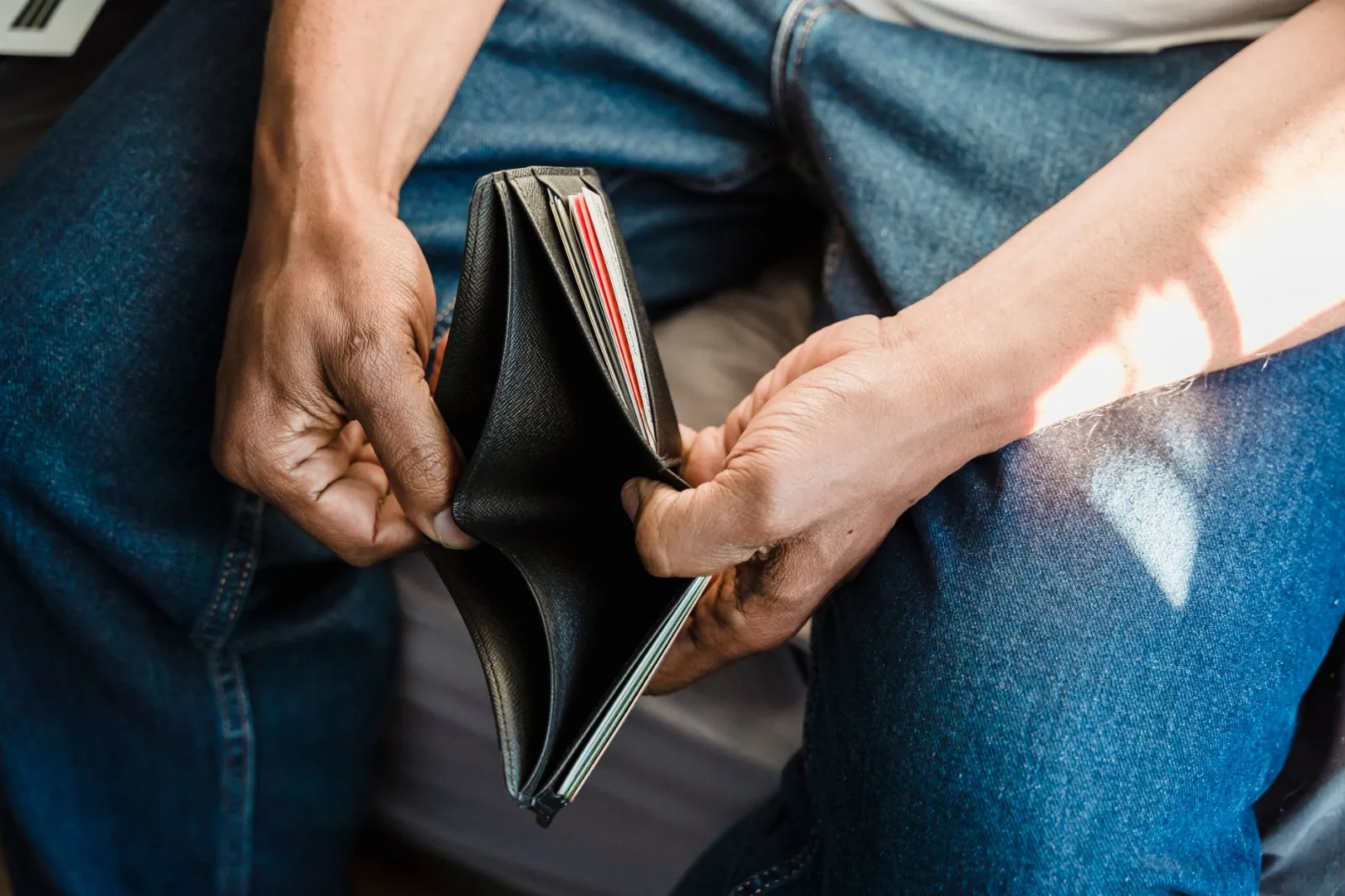
According to This is Money, its money guru wrote about a £4.7bn crypto heist “last week”. The piece also carries a warning from experts that no bank is totally safe from attack. The article is dated around 3 November 2026 and also appears on the Daily Mail site.
Much is still unclear about what happens if YOUR savings vanish into thin air. The article’s shared text refers to the hacking of crypto platform Binance late last week, but the text we could see does not say who was behind it or how it was done. The £4.7bn figure comes from the headline alone, so treat it as unconfirmed until it is verified elsewhere. The two pages are the same article, so they do not confirm each other.
Do not act on a single headline figure. Check the detail with your own bank or exchange, and only through its official app or website.
Why experts say no bank is fully safe from cyber attack
According to This is Money, experts warn its money guru that no bank is totally safe from attack. The visible text of the article does not spell out the technical detail, so we cannot say how any breach happened. The general point still holds. Banks and crypto exchanges both hold valuable assets, so both attract criminals, and the risk can never be zero.
Check the original piece for any detail on how regulators view crypto platforms.
It helps to know who does what. The Financial Conduct Authority oversees financial firms in the UK. The Bank of England has a role in keeping the financial system stable. Their positions change, so read their websites for current guidance.
Status matters too, because it shapes what happens if YOUR savings vanish into thin air. A high street name such as Barclays, Halifax or Nationwide is a regulated bank or building society. A crypto exchange, including one like Binance, may be regulated differently, or not in the same way. Always check a firm’s status on the FCA register.
What financial protections apply to your savings
Money in an authorised UK bank or building society is treated very differently from crypto. The Financial Services Compensation Scheme (FSCS) protects eligible deposits if an authorised firm fails, up to a limit. The limit can change, so check the current figure on the FSCS website rather than relying on this page.
Crypto assets are generally not covered by FSCS protection. Confirm the latest position with the FSCS and the Financial Conduct Authority (FCA). Protection also depends on the firm being authorised, so look it up on the FCA register before you deposit anything.
| ”Where |
|---|
Crypto carries extra risk because FSCS cover generally does not apply to it. Keep an eye on the FCA and your exchange for updates. The details of the reported heist remain unconfirmed in the text we could see.
Frequently asked questions
Are my savings protected if my bank is hacked?
Often, yes, but it depends on what went wrong. The FSCS protects eligible deposits if an authorised UK bank or building society fails, up to a limit. Fraud losses are handled under separate reimbursement rules and your bank’s terms. Check the FSCS website for the current limit and ask your bank how it treats fraud.
Is cryptocurrency covered by the FSCS?
Crypto assets are generally not covered by FSCS protection, so if an exchange is hacked or fails you may not get compensation. Rules can change, so check the FSCS and Financial Conduct Authority websites for the latest position. Also check whether any firm you use is FCA registered.
Should I keep any money in crypto?
That depends on your circumstances, and this is not personal financial advice. Crypto is high risk and usually lacks the protections that bank savings have. If you do hold some, only use money you could afford to lose, and consider speaking to a qualified adviser.
Sources
- What happens if YOUR savings vanish into thin air: After last week's £4.7bn crypto heist, experts warn our money guru that no bank is totally safe from attack. You must protect your money NOW (thisismoney.co.uk)
- What happens if YOUR savings vanish into thin air: After last week's £4.7bn crypto heist, experts warn our money guru that no bank is totally safe from attack. You must protect your money NOW (dailymail.com)
Looking for more? Browse all Money guides on Tipsverse.
This article is for general information only. It is not personal financial, tax, insurance, legal or medical advice, and rules, rates and prices change. Check the official source and speak to a qualified professional before you decide.