UK doctor infected with Ebola being treated at London hospital: what we know
UK doctor infected with Ebola being treated at London hospital: what happened, where he is, the risk to the public and where to check official guidance.
In this article
A UK doctor infected with Ebola being treated at London hospital is a British man who tested positive in the Democratic Republic of Congo and was flown home on a medical evacuation flight. According to the BBC, he landed at RAF Northolt and is now in a specialist infectious diseases unit at the Royal Free Hospital in north London.
He has not been named, and reports describe this as the first confirmed UK national infected in the current outbreak. This article sets out what has been confirmed about the UK doctor infected with Ebola being treated at London hospital, what is still unknown, why Ebola is hard to contain, and where to find official guidance from UKHSA and the NHS.
- A British doctor who tested positive for Ebola in DR Congo was flown to the UK and is being treated at the Royal Free Hospital in north London.
- He landed at RAF Northolt and was taken by emergency convoy to a specialist infectious diseases unit; he has not been named.
- Reports say it is the first confirmed UK national infected in the current DR Congo outbreak.
- UKHSA says the risk to the public remains low. His condition was not confirmed in the sources we could see, so check UKHSA and NHS for updates.
UK doctor infected with Ebola being treated at London hospital: the key facts
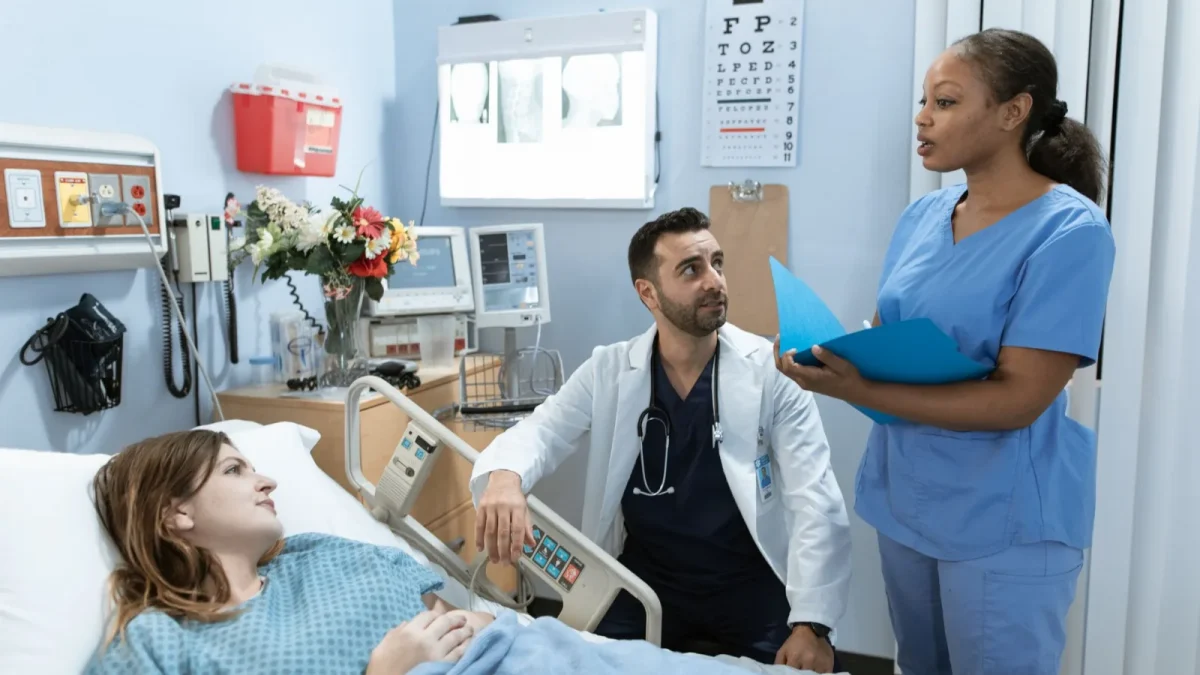
The UK doctor infected with Ebola being treated at London hospital is a British doctor who tested positive for Ebola in the Democratic Republic of Congo and has been flown back to the UK, according to the BBC. He was brought home on a medical evacuation flight and is now being treated in an isolation unit at the Royal Free Hospital in north London, the Evening Standard reports.
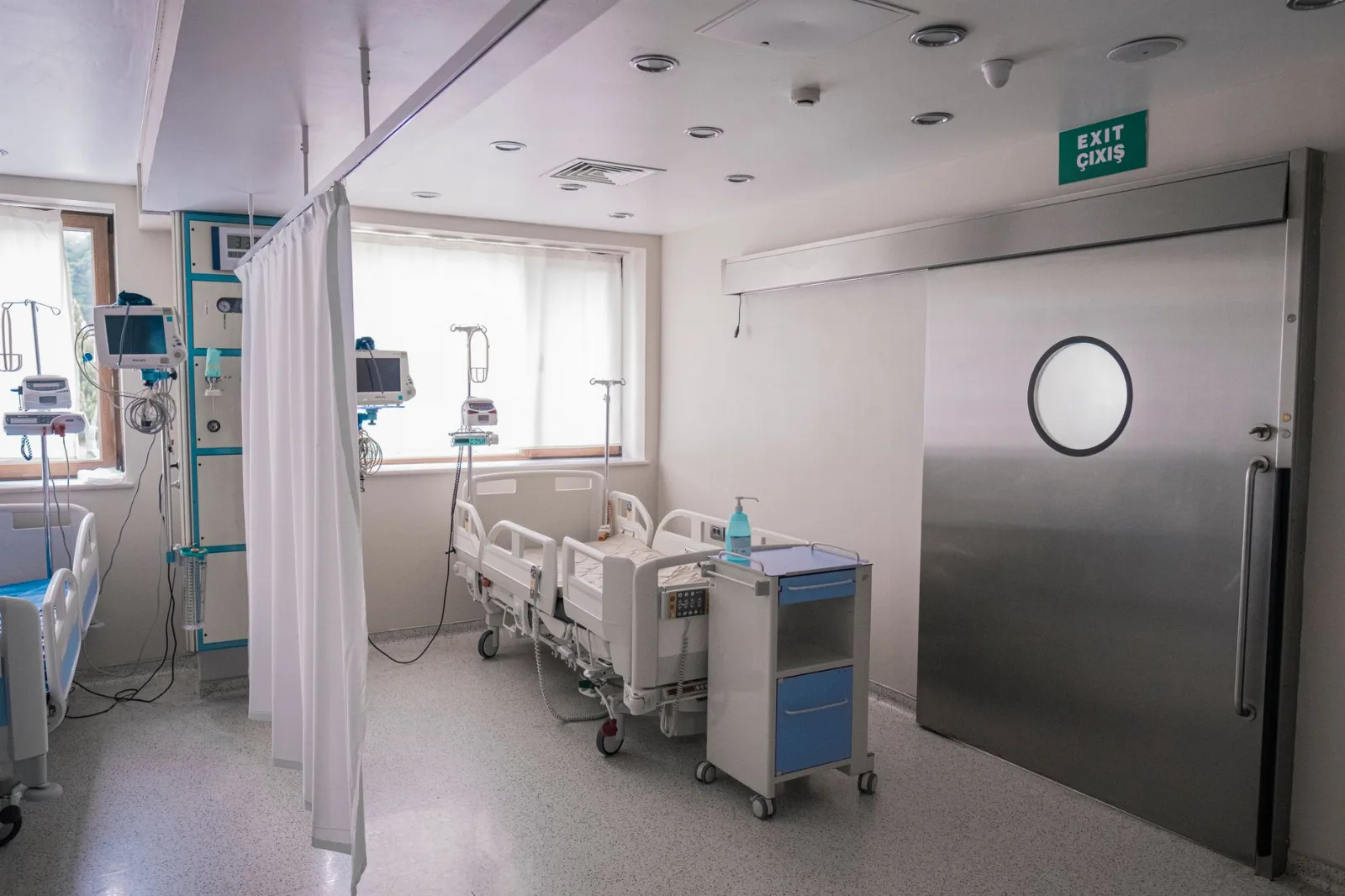
The BBC says the UK doctor infected with Ebola being treated at London hospital landed at RAF Northolt. A large convoy of emergency vehicles then took him to a specialist infectious diseases unit at the hospital. This kind of unit is built to care for patients with serious infections while keeping other people safe.
The UK doctor infected with Ebola being treated at London hospital has not been identified. The BBC describes this as the first confirmed case of a UK national catching Ebola during the most recent outbreak in DR Congo.
Many details are still unconfirmed, and they are covered in the next section. UKHSA has said the risk to the public remains low. For the latest assessment, check official updates rather than relying on social media posts.
What we do not yet know
Several important details about the UK doctor infected with Ebola being treated at London hospital are still unconfirmed. The reports we could see do not say how ill the doctor is or what his prognosis might be. He has also not been named, so be wary of any social media posts that claim to identify him.
The exact arrival date for the UK doctor infected with Ebola being treated at London hospital needs checking too. The dates on the source pages do not line up, so we have avoided stating one. The BBC reports that the DR Congo outbreak has so far led to more than 5,000 deaths and more than 10,000 confirmed cases. Check the latest figures with the World Health Organization.
For any change in the risk level or the doctor’s condition, rely on updates from the UK Health Security Agency (UKHSA), the NHS and the Royal Free Hospital rather than on unconfirmed posts.
Background: Ebola and the outbreak in DR Congo
Ebola is a serious viral illness. It spreads through direct contact with the blood or body fluids of a person who is ill, or with items contaminated by them. It does not spread through casual contact, such as sitting near someone on a bus.
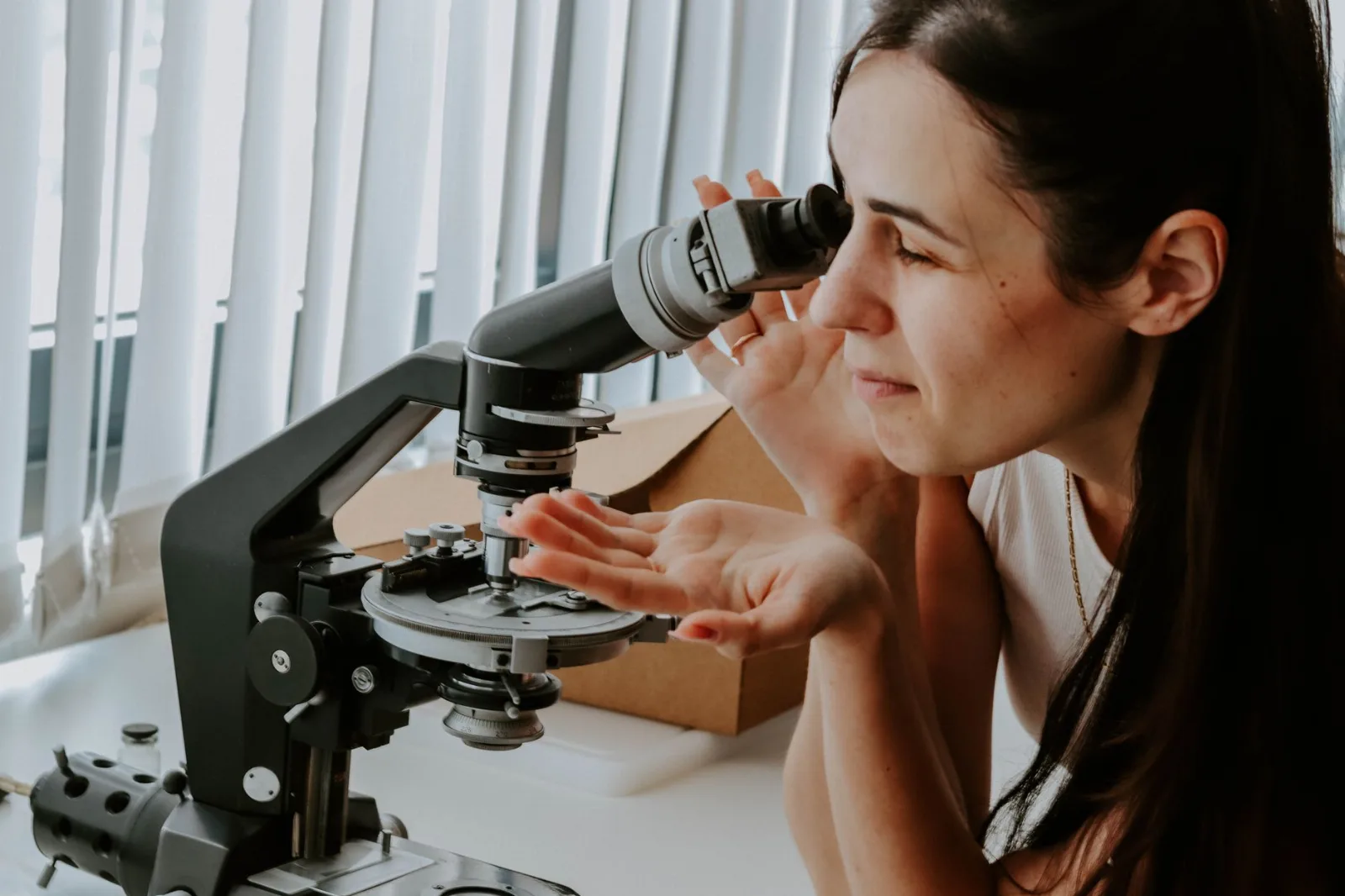
Health workers face a higher risk because they care for patients up close, often for long periods. That is why strict protective equipment and infection control matter so much. It also helps explain how a doctor working in DR Congo could become infected.
Outbreaks can be hard to stop. Affected areas may be remote, health systems can be stretched, and it is difficult to trace everyone a sick person has met. Each of these gaps lets the virus keep moving.
The BBC has also reported cases in Kenya. We have not been able to verify the figures, so check the latest numbers with the World Health Organization rather than relying on a single news report.
What it means for the UK public and what to watch next
UKHSA’s Dr Renu Bindra said the risk to the public remains low. Check the UK Health Security Agency (UKHSA) directly for its latest assessment. Specialist isolation units, such as the one used for the UK doctor infected with Ebola being treated at London hospital, are designed to contain infection and keep patients apart from other people. Ebola is not spread by casual contact, which is one reason risk to the wider public is generally treated differently from risk to carers.
If you plan to travel to DR Congo or nearby countries, read the Foreign, Commonwealth & Development Office travel advice first. Check your travel insurance too. Policies differ on outbreaks and on medical evacuation, so confirm the wording with your insurer before you book.
If you feel unwell after travelling, contact NHS 111 and say where you have been. Do this by phone rather than turning up at a surgery or hospital. This is general information, not medical advice.
Frequently asked questions
Who is the British doctor infected with Ebola?
His identity has not been made public. The BBC reports that the man, a doctor who tested positive in the Democratic Republic of Congo, has not been named. His condition has not been confirmed in the reports we could see, so check UKHSA and NHS for official updates.
Does travel insurance cover medical evacuation for outbreaks?
It depends on the policy. Some plans cover emergency medical evacuation, but many exclude outbreaks or travel to places where the Foreign Office advises against travel. Read the policy wording and ask your insurer before you go. MoneyHelper has general guidance on travel insurance.
How is Ebola spread and what are the symptoms?
Ebola spreads through direct contact with the blood or body fluids of a person who is ill, not through casual contact. This is why health workers caring for patients are at higher risk. For symptoms and the latest advice, see the NHS website. If you feel unwell after travel, contact NHS 111 and mention where you have been.
Sources
- British doctor infected with Ebola in DR Congo being treated at London hospital (bbc.co.uk)
- British doctor infected with Ebola in Congo being treated in London hospital (standard.co.uk)
Looking for more? Browse all Health guides on Tipsverse.
This article is for general information only. It is not personal financial, tax, insurance, legal or medical advice, and rules, rates and prices change. Check the official source and speak to a qualified professional before you decide.