Oil tumbles on hopes for US-Iran talks: What We Know and What It Means for US Drivers and Investors
Oil tumbles on hopes for US-Iran talks. Here is what is confirmed, what is not, and what it could mean for gas prices, inflation and your investments.
In this article
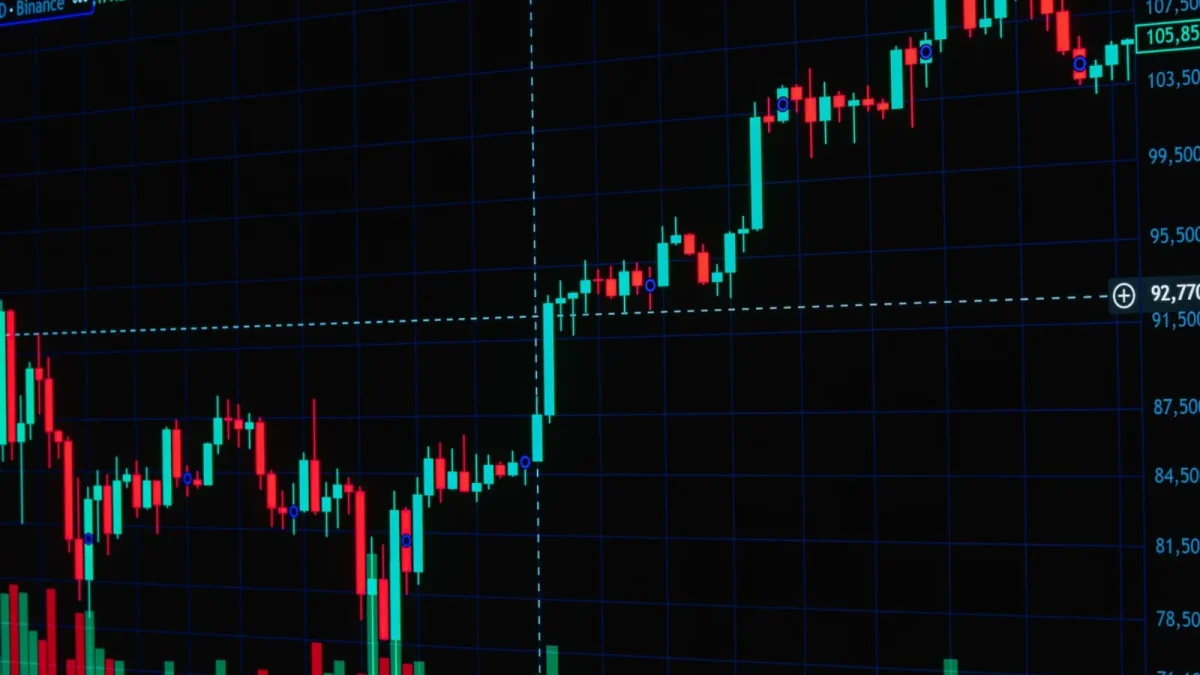
Oil tumbles on hopes for US-Iran talks, according to a Financial Times headline, which points to a sharp drop in crude prices. The available reports give few details, though: they do not say who would take part, when talks might happen or whether they are confirmed.
The move comes against the backdrop of the Middle East war, where supply risk has kept energy markets on edge. Bloomberg’s markets wrap also said the S&P 500 fell as a chip rout offset US-Iran hopes. This article explains what is confirmed, what is not, and what cheaper crude could mean for gas prices, inflation and investors after Oil tumbles on hopes for US-Iran talks. Check the publication date and live prices, because this story can change quickly.
- Oil prices fell after reports of hopes for US-Iran talks, according to a Financial Times headline.
- Available reports give few details: no confirmed talks, participants, dates or verified price levels.
- Cheaper crude can eventually ease gasoline costs, but pump prices lag and can rebound quickly.
- Check a live markets wrap for how US stocks moved, as the text we could review gave no details.
- Treat the move as volatile news, not a signal to change your investments.
Oil tumbles on hopes for US-Iran talks: what happened
Oil prices fell after hopes grew for talks between the United States and Iran. The Financial Times ran the headline “Oil tumbles on hopes for US-Iran talks,” which points to a sharp drop in crude. The FT also files its coverage under a “Middle East war” section, so the move sits against an ongoing regional conflict where supply risk has kept traders nervous.
The reporting we could review is thin. The FT article was behind a paywall, and the Bloomberg page was mostly a live markets wrap. Neither page says who would take part in the talks, when they might happen or whether they are confirmed. The word “hopes” matters here: it describes expectations, not a deal.
We also cannot give exact Brent crude or West Texas Intermediate (WTI) price levels or percentage drops, because none were verified. For current figures, check the US Energy Information Administration or a live market data provider.
Why markets reacted and how stocks fared
Oil prices reflect more than today’s supply and demand. Traders also price in the chance that fighting could disrupt shipments, including through chokepoints like the Strait of Hormuz. When talks look possible, that extra risk premium can shrink and crude can drop. The reports reviewed do not spell out the exact reasons why Oil tumbles on hopes for US-Iran talks, so this is the usual link, not a confirmed explanation.
Because oil often trades on expectations, prices can reverse quickly if hopes fade or talks stall.
Stocks told a mixed story. According to Bloomberg’s markets wrap, the S&P 500 fell as a chip rout offset US-Iran hopes. In plain terms, cheaper oil did not lift the whole market. Moves in technology shares appear to have dominated the day, and the pages reviewed give no further detail on the size of those moves.
What cheaper oil could mean for gas, heating and inflation
Crude oil is a major input to gasoline, so a drop that lasts can eventually lower what you pay at the pump. A single day of falling prices, such as the one behind Oil tumbles on hopes for US-Iran talks, usually will not. AAA publishes the national average for gas, which is a handy way to see whether any relief reaches drivers.

Retail prices tend to lag crude. They often fall slowly when oil drops and climb faster when oil rises. Local taxes, refining costs and regional supply also shape what your station charges, so your price may not match the national trend.
Cheaper energy can ease inflation pressure, which the Federal Reserve watches closely. But one day of lower oil is unlikely to change policy. The reports reviewed do not give price levels, so the size of any effect is unknown.
Heating costs depend on your fuel, such as natural gas, heating oil, propane or electricity. Seasonal demand matters too. Crude alone does not set those bills, so a fall in oil may not show up on them. The US Energy Information Administration publishes fuel price data.
What to watch next and what it means for investors
Start with confirmation of the news behind Oil tumbles on hopes for US-Iran talks. The reports reviewed do not say who would take part in US-Iran talks or when they might happen, so look for official statements that name participants and a date. Then watch Brent crude, West Texas Intermediate (WTI) and the weekly data from the US Energy Information Administration to see whether the drop holds.

Energy stocks tend to follow crude, but moves can be sharp in both directions. Investors with diversified, long-term plans usually do not need to change course over one oil move. Whether any change makes sense depends on your goals and risk comfort, so consider asking a qualified financial professional.
Oil moves on expectations. If hopes for talks fade, prices can reverse quickly, so avoid trading on a single headline.
Frequently asked questions
Will lower oil prices reduce US gas prices right away?
Usually not. Crude is a major input to gasoline, but pump prices tend to lag and often fall more slowly than they rise. Taxes, refining costs and local demand also matter. Check the AAA national average for current prices.
What happens to oil prices if the US-Iran talks fail?
No one can say for sure. The reports reviewed give no details about the talks. Oil has been moving on hopes, so prices could rebound if those hopes fade, especially with a Middle East war and supply worries in the background.
Should I change my portfolio because of oil price swings?
Not necessarily. One oil move is volatile news, not a signal on its own, and the right choice depends on your goals, timeline and risk tolerance. Consider speaking with a qualified financial professional before making changes.
Sources
- Subscribe to read (ft.com)
- Stock Market Today: Dow, S&P Live Updates for November 2 (bloomberg.com)
Looking for more? Browse all Investing guides on Tipsverse.
This article is for general information only. It is not personal financial, tax, insurance, legal or medical advice, and rules, rates and prices change. Check the official source and speak to a qualified professional before you decide.