Could AI become the new subprime crisis? Anthropic investors are undeterred: what the column says and what it means
Could AI become the new subprime crisis? Anthropic investors are undeterred. See what the opinion column says and what it may mean for Australian

In this article
The headline “Could AI become the new subprime crisis? Anthropic investors are undeterred” asks a big question, and the honest answer is that nobody can say yet. It sits on an opinion column by Stephen Bartholomeusz, senior business columnist, published on 19 November 2026 by The Sydney Morning Herald, The Age and Brisbane Times. It opens by calling something about Anthropic’s initial public offering “jarring”.
This article explains the column “Could AI become the new subprime crisis? Anthropic investors are undeterred”, why the subprime comparison gets made, and what it could mean for Australians who hold AI-linked shares through super or ETFs. It is general information, not personal financial advice.
- It is an opinion column by Stephen Bartholomeusz, published 19 November 2026, not a confirmed forecast of a crisis.
- The column opens by calling something about Anthropic’s initial public offering ‘jarring’ and asks if AI could echo the subprime crisis.
- According to Bloomberg, as cited in the column, Anthropic will raise more than US$94 billion by pricing shares at US$83 each, giving a valuation of about US$1.5 trillion on a fully diluted basis.
- Australian investors may hold AI exposure through super and index funds, so it is worth checking what you own.
- This is general information, not personal advice. Check moneysmart.gov.au or speak to a licensed adviser.
What happened: a column asks if AI could be the next subprime crisis
The short answer: nobody knows, and the column does not claim to. Stephen Bartholomeusz, senior business columnist, published an Opinion piece on 19 November 2026. It appeared in The Sydney Morning Herald, The Age and Brisbane Times under the headline “Could AI become the new subprime crisis? Anthropic investors are undeterred”.

The headline asks the question and notes that investors in Anthropic are not put off. According to the visible opening, the column begins by saying there is something “jarring” about Anthropic’s initial public offering. The column goes on to say the size and pricing of the offering have gone up even as the value of the rest of the AI sector is plunging. The text available to us stops early, so we cannot report the rest of its reasoning.
This is one writer’s view. It is not a forecast, and it is not a finding that a crisis is coming. The headline is a question, and a question is not a prediction.
Treat this as opinion. Read the full column before drawing conclusions, and do not assume it says more than the opening lines we can see.
Could AI become the new subprime crisis? Anthropic investors are undeterred, and why the comparison is made
The subprime crisis was a credit-driven collapse linked to risky home loans that were bundled and sold on, and it spread through the global financial system. When borrowers could not repay, losses hit banks and investors far from the original loans.
Writers usually raise that episode as a warning, and the headline “Could AI become the new subprime crisis? Anthropic investors are undeterred” follows that pattern. The question they ask is whether heavy spending and lending on a hot theme could end badly if the returns do not arrive. Applied to AI, it is a way of asking whether expectations have run ahead of what the technology will earn. That is a question, not an answer.
A price bubble and a credit crisis are not the same thing. If share prices fall after a period of excitement, investors lose money, but the damage tends to stay within markets. A crisis becomes far more serious when lots of borrowed money is involved and lenders suffer losses. So how much debt sits behind the AI boom matters a great deal.
The headline says Anthropic investors are undeterred, suggesting appetite for the company’s initial public offering remains strong. We cannot confirm the column’s wider arguments, because the text available to us stops early. To see how Stephen Bartholomeusz makes his case, read the original article in The Sydney Morning Herald, The Age or Brisbane Times.
What it could mean for Australian investors
Many Australians have some exposure to AI-linked companies without choosing it directly. Super funds and index ETFs may hold global shares, which can include large technology names. Whether that applies to you depends on your fund and its investment option.
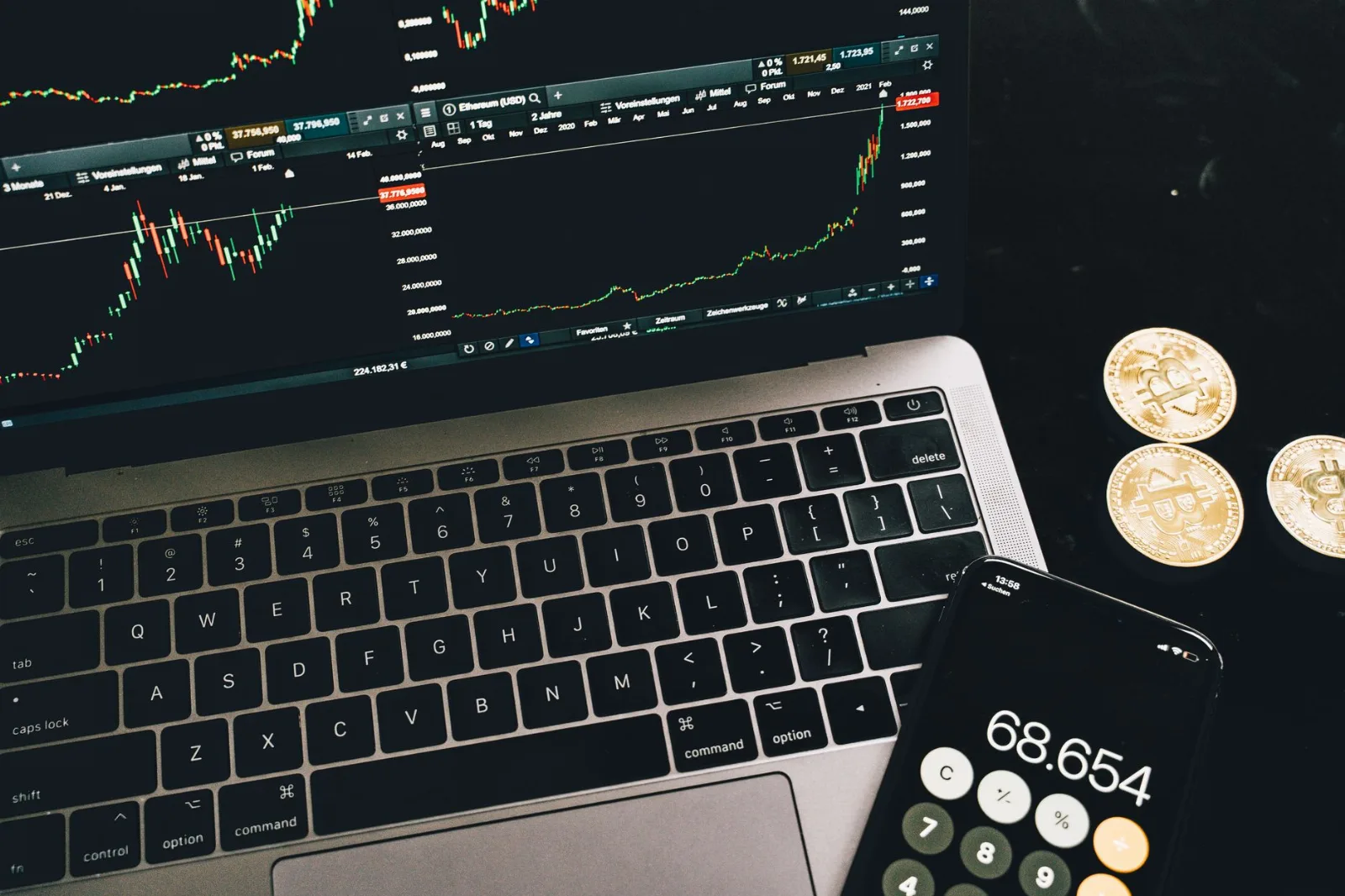
A simple first step is to look at your fund’s top holdings and its international share allocation. Check your fund’s website or product disclosure documents, and moneysmart.gov.au for guidance. Nvidia, mentioned in coverage of the AI boom, is one example of a company that global funds may hold.
If AI-related shares fell sharply, balances could be affected. How much would depend on the fund mix and how long you have until you need the money. The column behind “Could AI become the new subprime crisis? Anthropic investors are undeterred” is opinion, not a forecast. For most people, diversification and a long-term plan matter more than reacting to headlines. A licensed adviser can help with your own situation.
What to watch next and where to check
Treat commentary on “Could AI become the new subprime crisis? Anthropic investors are undeterred” as a starting point, not a verdict. If an Anthropic listing goes ahead, look for official offer documents and regulator information, which set out the risks in detail. Opinion columns, including this one, can’t replace them.
For plain-language guides to IPO risks, try moneysmart.gov.au, asic.gov.au and asx.com.au. Whether any investment suits you depends on your goals and circumstances, so a licensed adviser can help. This is general information, not personal advice.
Frequently asked questions
Is there an AI bubble?
Nobody can say for certain. Some commentators think AI valuations are stretched, and others disagree. Stephen Bartholomeusz’s column is one opinion asking whether AI could echo the subprime crisis, not proof of a bubble. Treat it as a view, not a forecast.
Should retail investors buy into AI IPOs?
That depends on your goals, budget and risk tolerance, so there is no single answer. New listings can be volatile and the details are often hard to judge. Read the offer documents, check moneysmart.gov.au and ASIC guidance, and consider speaking to a licensed adviser.
How could a fall in AI stocks affect Australian super and ETFs?
Many super funds and index ETFs hold global tech and AI-linked companies, so a sharp fall could lower balances. The effect depends on how much your fund holds and your time horizon. Check your fund’s top holdings and international share allocation in its product disclosure documents.
Sources
- Could AI become the new subprime crisis? Anthropic investors are undeterred (smh.com.au)
- Could AI become the new subprime crisis? Anthropic investors are undeterred (theage.com.au)
This article is for general information only. It is not personal financial, tax, insurance, legal or medical advice, and rules, rates and prices change. Check the official source and speak to a qualified professional before you decide.