Corporate cop investigating collapse of major Sydney builder: what ASIC has said and what investors should check
Corporate cop investigating collapse of major Sydney builder Bathla: what ASIC has confirmed, the private credit warning, and what investors can check.

In this article
Corporate cop investigating collapse of major Sydney builder Bathla: the Australian Securities and Investments Commission (ASIC) has confirmed it has launched an investigation, according to The Sydney Morning Herald and Brisbane Times. ASIC has also warned that little-known private lenders could expose ordinary investors to a similar collapse.
An investigation is not a finding, and no wrongdoing has been reported so far. This article sets out what is confirmed, what is still unknown, and what private credit is. It also covers what careful investors in Australia can check before putting money into these products. It is general information, not personal advice.
- ASIC has confirmed it is investigating the collapse of Sydney builder and developer Bathla; no findings of wrongdoing have been reported.
- ASIC has warned that little-known private lenders could expose ordinary investors to a similar collapse.
- ASIC found some advisers were putting up to 87 per cent of a client’s money into such products; check the exact wording in the full reports.
- Details on the cause, number of people affected and amounts owed are not yet clear.
- Investors should check licences and diversification, and use moneysmart.gov.au or a licensed adviser for personal advice.
Corporate cop investigating collapse of major Sydney builder: what we know
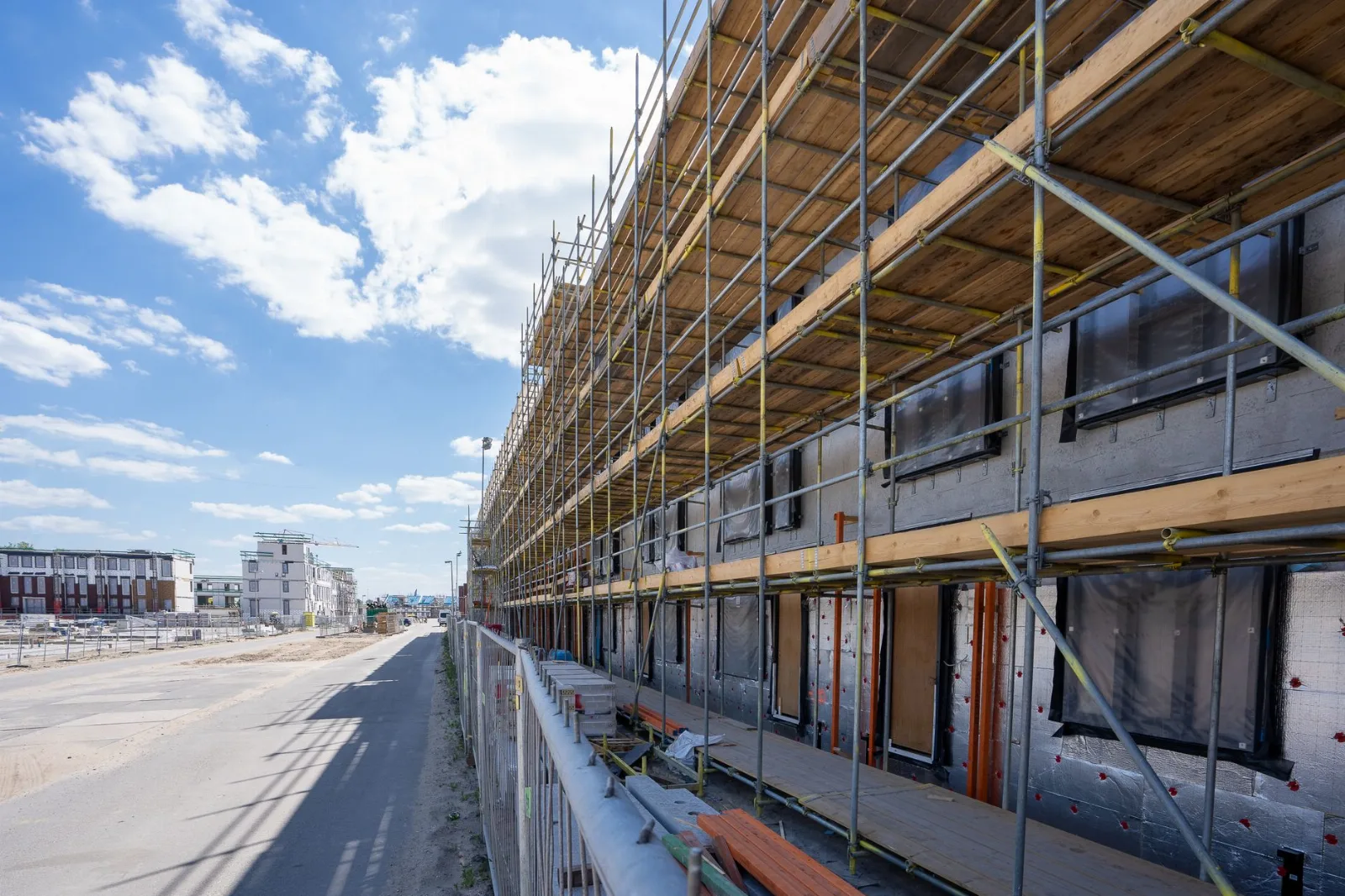
The Australian Securities and Investments Commission (ASIC) has confirmed it has launched an investigation into the collapse of Bathla, a major Sydney builder and property developer. The news about the corporate cop investigating collapse of major Sydney builder Bathla was reported by Nick Bonyhady in The Sydney Morning Herald and Brisbane Times on 10 November 2026. Both outlets filed the story under private credit.
According to the same reports, ASIC has also warned that little-known lending companies could expose ordinary Australian investors to another collapse like Bathla’s. In short, the corporate cop investigating collapse of major Sydney builder Bathla is looking at both the failure itself and the wider risks in this part of the market.
An investigation is not a finding. The reporting available does not say ASIC has found any wrongdoing, and the outcome and timeline are not yet known. The reports say Bathla collapsed in August owing more than $3 billion and had taken money from 42 lenders, but the cause and the full extent of losses are not confirmed here. Check the full articles and ASIC’s own updates on the corporate cop investigating collapse of major Sydney builder Bathla for the latest detail.
ASIC's warning on private credit and adviser exposure
According to The Sydney Morning Herald, ASIC, the corporate cop investigating collapse of major Sydney builder Bathla, found that some financial advisers were tipping up to 87 per cent of a client’s money into private credit products. The report said this happened despite some operators failing to pass on earnings to investors, transferring large sums to related parties and downplaying risks.
Other claims about Bathla’s safety record are not covered in the sources we reviewed, so they should be treated as unconfirmed.
Several key points are also unclear. The reporting available does not say why Bathla collapsed or how many investors, creditors or home buyers are affected. It says Bathla collapsed in August owing more than $3 billion. The timeline and outcome of the ASIC investigation are unknown too. An investigation is not a finding, and nothing here shows wrongdoing has been established.
What private credit is and why regulators are watching it
Private credit is lending to businesses by companies other than banks. The money often comes from investors who pool funds into a loan product. Some borrowers are property developers, and the Bathla collapse has drawn attention to this corner of the market.
It works very differently from a bank deposit. Returns and access to your money depend on the product, so check its terms. Regulators such as ASIC watch this area because many of the lenders are little known, and ordinary investors may not fully see the risks.
Concentration adds to the problem. If a large share of a person’s money sits in one type of product, a single borrower failing can hurt much more than it would in a spread-out portfolio. That is why ASIC’s reported concern about adviser exposure matters.
Whether investors in any Bathla-linked lenders lose money depends on facts that are not yet known. The reporting says Bathla took money from 42 lenders and owed more than $3 billion, and ASIC ordered Angas Securities to stop taking new money into two funds over disclosure concerns, including exposure to Bathla. Check the full reports and official updates before drawing conclusions.
What it means for investors and what to check next
The story of the corporate cop investigating collapse of major Sydney builder Bathla is still developing, so the most useful step for investors is to look at their own exposure rather than guess at the outcome. An ASIC investigation is not a finding, and the reports available do not say who is affected or how much is owed.

Some checks for investors following the corporate cop investigating collapse of major Sydney builder Bathla are general and low-cost. You can check whether an adviser or lender is licensed and find guidance on higher-risk products on the official ASIC and MoneySmart websites (moneysmart.gov.au). It also helps to ask how much of your money sits in one product, and how and when you could get it out.
Keep an eye out for updates from ASIC, and for any statements from administrators or lenders linked to the collapse.
This is general information, not personal advice. What suits you depends on your goals, income and other savings, so consider speaking with a licensed financial adviser before making or changing an investment.
Frequently asked questions
What is private credit and how is it different from a bank deposit?
Private credit is lending to businesses, often property developers, by non-bank lenders that are funded by investors. Unlike a bank deposit, returns and access to your money depend on the product, so check its terms. Check the product’s terms and ask a licensed adviser how it works.
How can I check whether my adviser or lender is licensed by ASIC?
You can check licences on the official ASIC and MoneySmart websites (moneysmart.gov.au). If you cannot find a name, or the details do not match, ask the firm to explain before you invest.
What should I do if I already hold a private credit product?
Read the product documents to see how your money is invested and how you can withdraw it. Watch for updates from the lender and from ASIC. What suits you depends on your situation, so consider speaking with a licensed financial adviser. This is general information, not advice.
Sources
Looking for more? Browse all Investing guides on Tipsverse.
This article is for general information only. It is not personal financial, tax, insurance, legal or medical advice, and rules, rates and prices change. Check the official source and speak to a qualified professional before you decide.